Conference Warming - Wednesday, 13 May
Day 1 - Thursday, 14 May
Registration
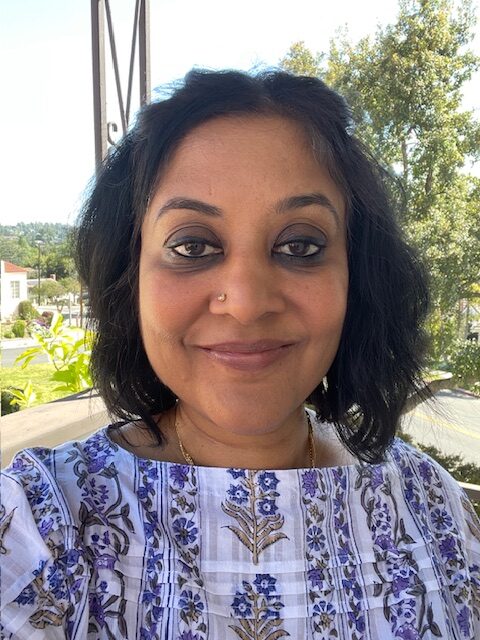
- 09:30 - 11:00
- Leila Neti (Occidental College, LA)
- Schloss Osnabrück, Building 11, Aula (Room E08), Neuer Graben 29, 49074 Osnabrück
Conference Opening & Keynote: "Postcolonial Futures?"*
From its inception, the field of postcolonial studies has raised a series of doubts. Can the subaltern speak? Is postcolonialism a derivative discourse? Are mimicry and hybridity always already ambivalent? Such questions are so characteristic of the discipline that at times it has seemed too mired in paralytic self-reflection to effect meaningful change in the real world. Critics routinely denounce postcolonialism as apolitical, inactive, or confined to the realm of theory. On the other end of the spectrum, postcolonial studies is at the forefront of social movements that, especially in the United States, have become the target of the political right. From this perspective, postcolonialism is seen as too radical an agent of change, upending institutions and even seeking to dismantle Western civilization. At this moment of transition and transformation, as evolving forms of colonialism continue to proliferate, the questions that postcolonial studies raises, and the answers it seeks to generate, are as timely as ever. This talk will examine the possibilities and limitations of postcolonial studies within our current global environment. *Content note*
- 18:00-18:30
Break
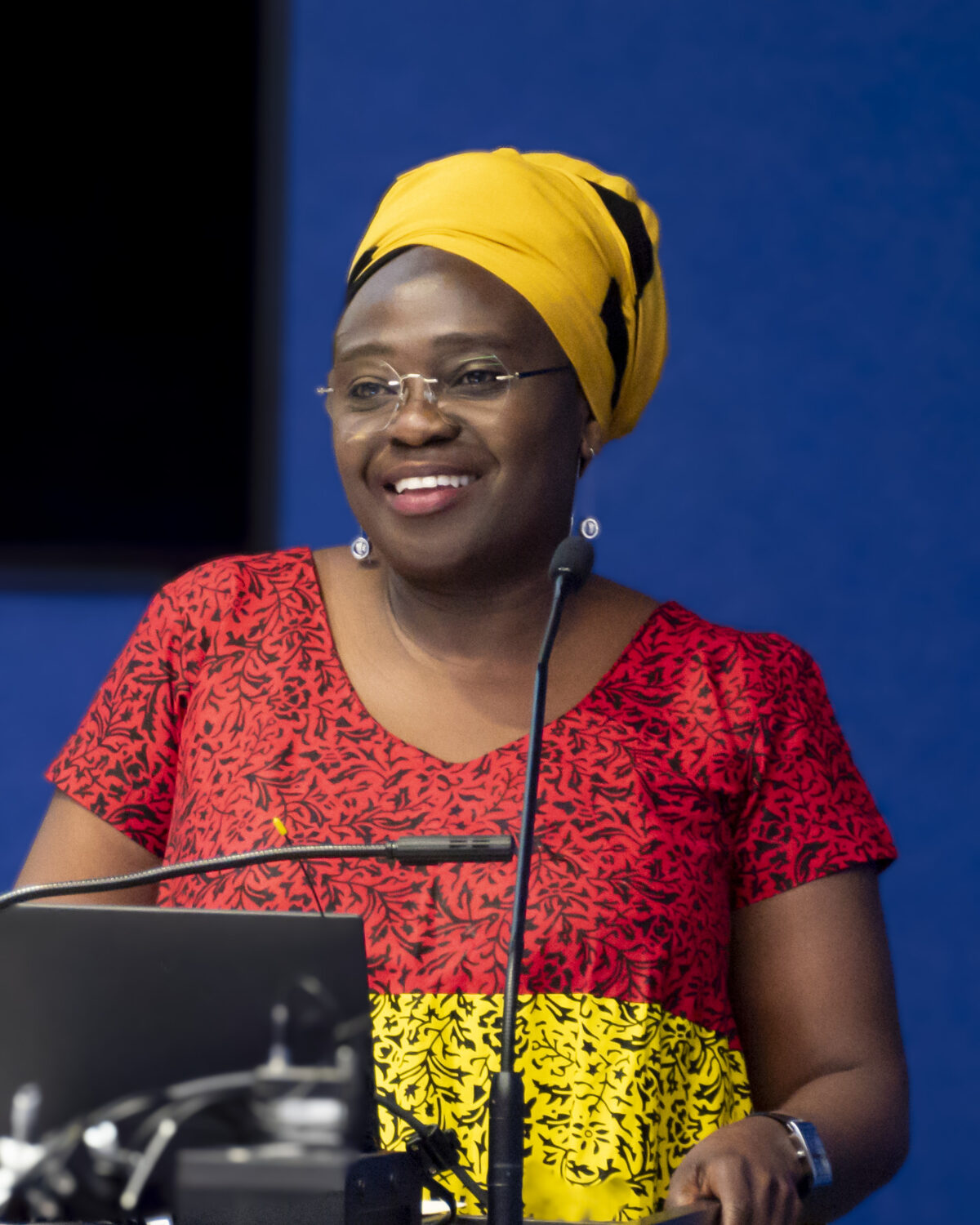
- 18:30 - 19:30
- Jennifer Nansubuga Makumbi
- Schloss Osnabrück, Building 11, Aula (Room E08), Neuer Graben 29, 49074 Osnabrück
Evening Reading with Jennifer Nansubuga Makumbi
If you’d like to follow along as Jennifer reads, you can download the excerpts to your device by either scanning the QR codes situated at the Aula entrance and break area tables, or using the link on the website home page. There will also a few printed copies of the excerpts available at the venue.
Day 2 - Friday, 15 May
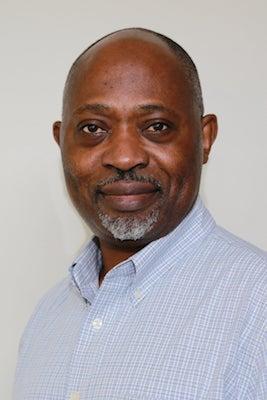
- 09:00 - 10:15
- Chielozona Eze (Carlton College)
- Schloss Osnabrück, Building 11, Aula (Room E08), Neuer Graben 29, 49074 Osnabrück
Geoffrey Davis Memorial Lecture: “Non-Rational Factors in the Postcolonial (Post-Conflict) Quest for Flourishing”
Nelson Mandela inaugurated a new era of postcolonial social and political world-making whose theoretical significance we are only beginning to grasp. His government established the Truth and Reconciliation Commission, making forgiveness a central instrument in the reconstruction of civic life after violence. Rather than treating reconciliation as merely a juridical or procedural matter, the Commission foregrounded moral gestures — confession, forgiveness, and acknowledgment — as indispensable to rebuilding a fractured political community. This paper examines the social significance of such gestures for the broader project of flourishing in postcolonial and post-conflict societies. Against the longstanding Western privileging of rational deliberation (logos) in the constitution of civil society, I argue that non-rational forces such as forgiveness, symbolic acts, and moral imagination are irreplaceable in repairing political relationships. These practices cultivate the affective and ethical conditions that make coexistence possible where law and procedural reason alone prove insufficient. By bringing postcolonial experience into dialogue with democratic theory, this paper demonstrates how moral-political gestures deepen our understanding of conflict resolution, shared civic life, and the pursuit of dignity and rights in multiracial democracies.
Coffee Break
Day 3 - Saturday, 16 May
- 10:30 - 10:45
- Schloss Osnabrück, Building 11, Neuer Graben 29, 49074 Osnabrück
Short Coffee Break
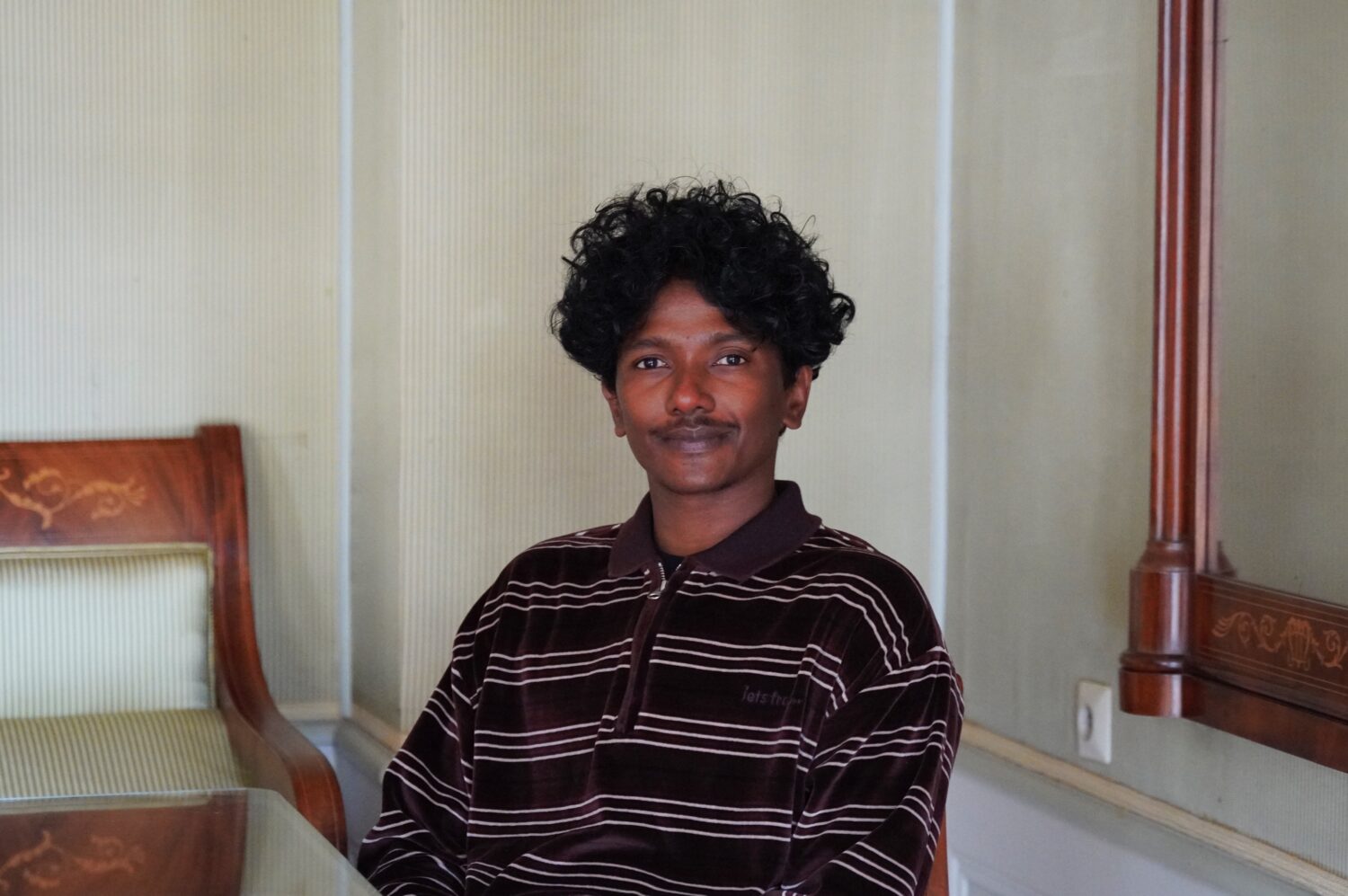
- 10:45 - 11:15
- Aadhi Avrina
- Schloss Osnabrück, Building 11, Aula (Room E08), Neuer Graben 29, 49074 Osnabrück
Poetry Performance: Trans Gaze (or) Prism Geometries
At the edge of a dying forest, the traveller sees a face in the bark of a tree. / At the edge of a dying forest where time fractures, the traveller seeks a name. / At the edge of a dying forest where eyes are stars of midnight, the traveller is a lonely seed. / At the edge of a dying forest is a shattered glass beam, the traveller gathers light. / At the edge of a dying forest is a body without bones, the traveller slips on.
- 11:15 - 12:30
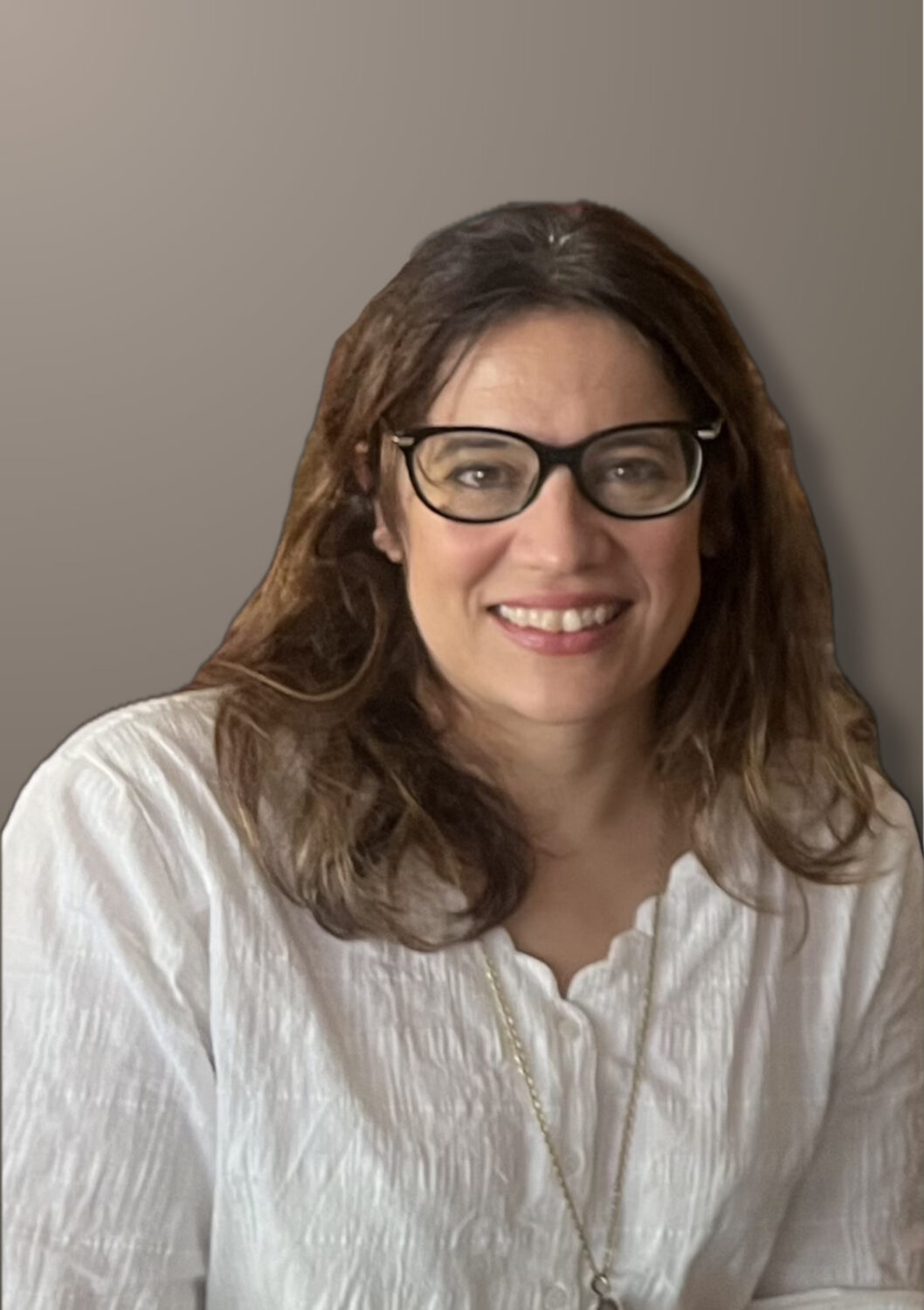
- Neelam Srivastava (University of Newcastle)
- Schloss Osnabrück, Building 11, Aula (Room E08), Neuer Graben 29, 49074 Osnabrück
Keynote: "Beyond Anglophone Postcolonial Studies: Italian Theory, Third-Worldism and Postwar Decolonization"
In this lecture, I discuss how a postcolonial approach to Italy, a nation marked both by a diasporic past and an instantly recognizable territorial shape, can open up discourses around its national identity to dialogues with the wider world. At the same time, I also ask whether there are certain strands of Italian thought that can make a specific contribution to make to a contemporary theory of global resistance. Can it act, in other words, as a postcolonial theory, if we understand such thinking as interested in making a radical political intervention on issues of global social justice through a historical awareness of colonialism’s enduring effects in the present? Or does Italian postcolonial theory suffer from the irremediable blind spot of its amnesia towards Italy’s colonial past? I argue it is important to move away from assuming that critiques of British imperialism are “applicable” to the Italian context, so as to avoid re-enacting forms of “cultural colonialism” within postcolonial scholarship itself, where a hierarchy of empires continues to subsist, dominated by research on Anglophone and Francophone writing. I look back to Italy’s own cultural past in order to uncover the anti-colonial genealogy of Italian radical thought, which goes back to Antonio Gramsci, and that finds its culmination in a specific moment of militancy: the 1960s. This period saw the emergence of new political movements on the left, which were in dialogue with Third-World movements of decolonization. This is an important moment of intellectual dialogue; and understanding how Italian intellectuals and writers responded to, and were influenced by, Third-Worldism can help us to identify a form of radical anti-colonial politics, and more historically informed methods of analysis grounded in the Italian experience. It can also serve to decolonize postcolonial studies and articulate its Anglophone bias more explicitly.
- 12:30 - 13:00
- Schloss Osnabrück, Building 11, Neuer Graben 29, 49074 Osnabrück
Break
- 13:00 - 14:00
- Schloss Osnabrück, Building 11, Aula (Room E08), Neuer Graben 29, 49074 Osnabrück